

You may have heard of friends and family trying the keto diet. It’s a strict, high-fat diet with varying levels of protein and generally very low levels of carbohydrate. The keto diet was first used as a treatment for pediatric drug-resistant epilepsy to reduce seizures in the 1920s. It’s still used for help prevent seizures in the U.S. when medications alone aren’t enough. However, it can also help you lose weight if you stick with the plan long term. It may also provide other health benefits that come with weight loss. If you’re wondering if the keto diet is right for you, our registered dietitians explain the eating plan and its pros and cons.This is the original and best-studied of the different diet strategies. It’s recommended that you work with a registered dietitian as it’s the strictest, most difficult diet to follow.








This diet is very in high fat, very low in carbs and relatively low in protein.
All foods must be weighed on a scale to achieve a relative weight distribution of 4 grams of fat for every 1 gram of combined protein and carb eaten throughout the day. In other words, you will likely need to avoid all carb-rich foods (like pasta, potatoes, fruit, etc.). Also, for every serving of protein-rich food, you need four servings of a fatty food (heavy cream, avocado, olive oil, full fat cheese, etc.).
A typical meal might look like half an avocado with a small piece of salmon cooked in a lot of olive oil with a side salad. It will all be topped with a cream sauce made with heavy cream and cheese. You would need to eat all of the oils and creams.
What foods can you eat on the keto diet?
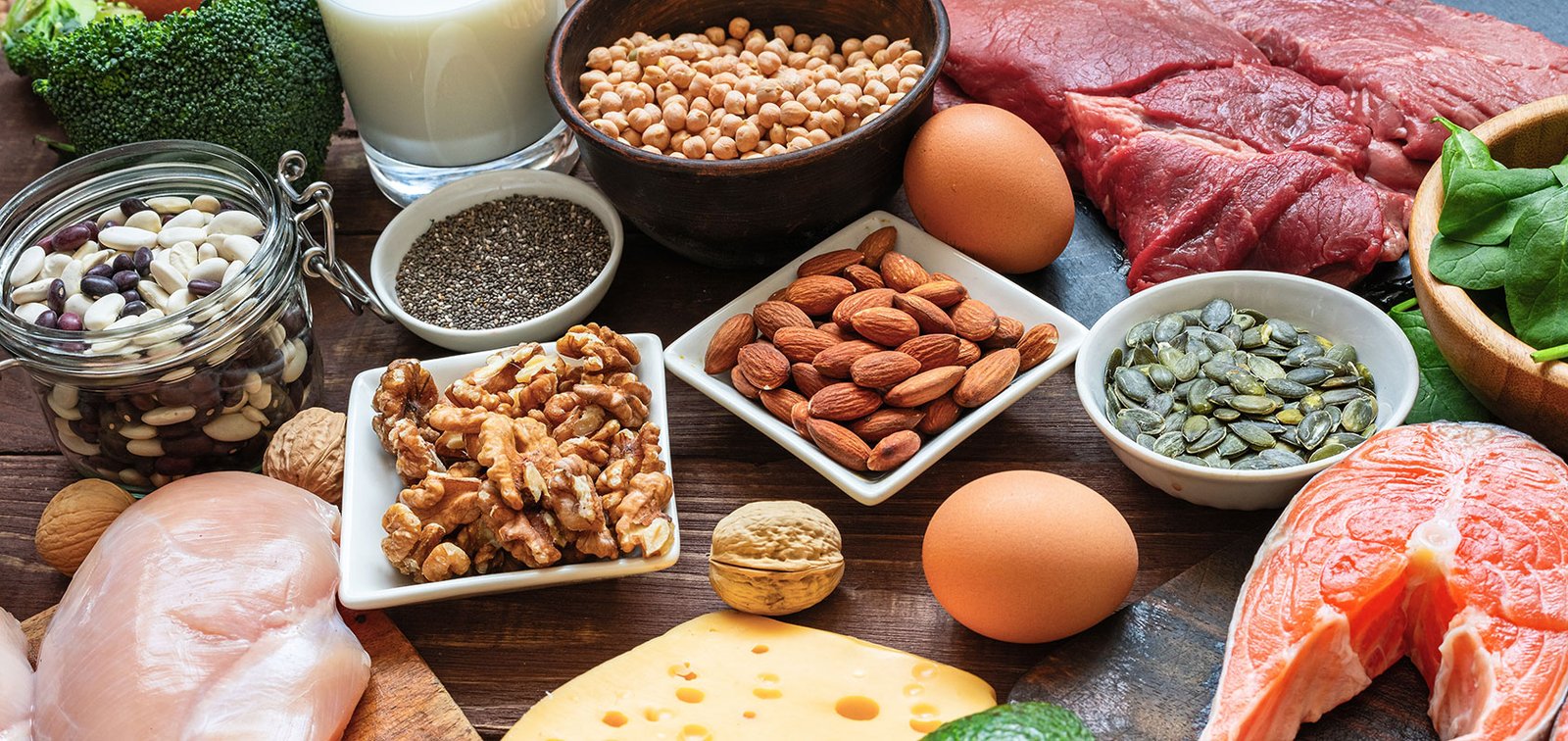
Here’s a list of foods you should eat on the keto diet:
Dairy and unsweetened dairy alternatives such as full fat cheese, plain full fat yogurt, cottage cheese and unsweetened plant-based milk.
Low-carb vegetables like leafy greens, peppers and broccoli.
Other plant-based foods including nuts, seeds and avocados.
Oils and fats like olive and coconut oils, as well as whole olives and avocados.
Moderate amounts of high protein foods such as seafood, meat, poultry and eggs.
Sometimes small amounts of berries can be eaten.
These diets generally avoid all starchy foods (pasta, rice, potatoes, bread, corn, peas, beans and legumes). Desserts and any other high-carb foods are also not part of the diet. Fruits can sometimes be included if they are high in fiber, such as raspberries.